

VFFS rollstock can misfeed because of roll setup, web tracking, print registration, film friction, or a mismatch between the film's seal behavior and the machine's operating conditions. The fastest way to narrow the cause is to note exactly where the defect starts and compare the new film with a known-good roll on the same machine. For food manufacturers and co-packers, that comparison also produces a better specification for the next order.
What is VFFS rollstock film?
VFFS stands for vertical form-fill-seal. The machine unwinds a flat film web, guides it around a forming collar, and forms a tube. It makes the longitudinal seal, fills the tube with product, then applies the cross seals and cuts the individual pack. The film has to travel consistently through the machine, fold into the correct shape, register the artwork, and seal within the available cycle time.
A structure that protects coffee or powdered ingredients still needs to run on the specified equipment. Web width, film stiffness, the friction of each surface, and the position of the sealant all affect how the roll behaves. When requesting custom VFFS rollstock, give your film supplier the pack dimensions and the machine model, forming set, seal format, and target speed.

What does the first visible defect tell you?
Look at where the defect begins. A web that moves sideways before reaching the forming collar calls for a different check from a web that tracks correctly while the print moves relative to the cut. Photograph the first defective bag and mark where it came from on the roll. If the issue recurs after a splice or near the core, preserve that information when sending samples to the supplier.
| What you see | What to check first | What to record |
|---|---|---|
| Film drifts sideways | Roll centering, unwind tension, roller alignment, and web-guiding settings | Where the drift starts and whether it increases with speed |
| Artwork shifts toward the cut | Eye-mark detection, print repeat, sensor position, and registration settings | Whether the shift is constant, intermittent, or cumulative |
| Creases appear at the back seal | Film width, forming collar, pull belts, and web alignment | Whether the crease starts at the collar or appears farther down |
| Cross seal opens or shows channels | Jaw contact, wrinkles, product contamination, and sealing conditions | Location of the defect and whether it happens on empty or filled packs |
| Web handling changes after a splice | Splice position, tape, winding quality, and tension recovery | Roll ID, splice location, and number of affected bags |
Machine manufacturers identify several of these issues as equipment or setup checks, which is why a controlled comparison with a known-good roll is useful.
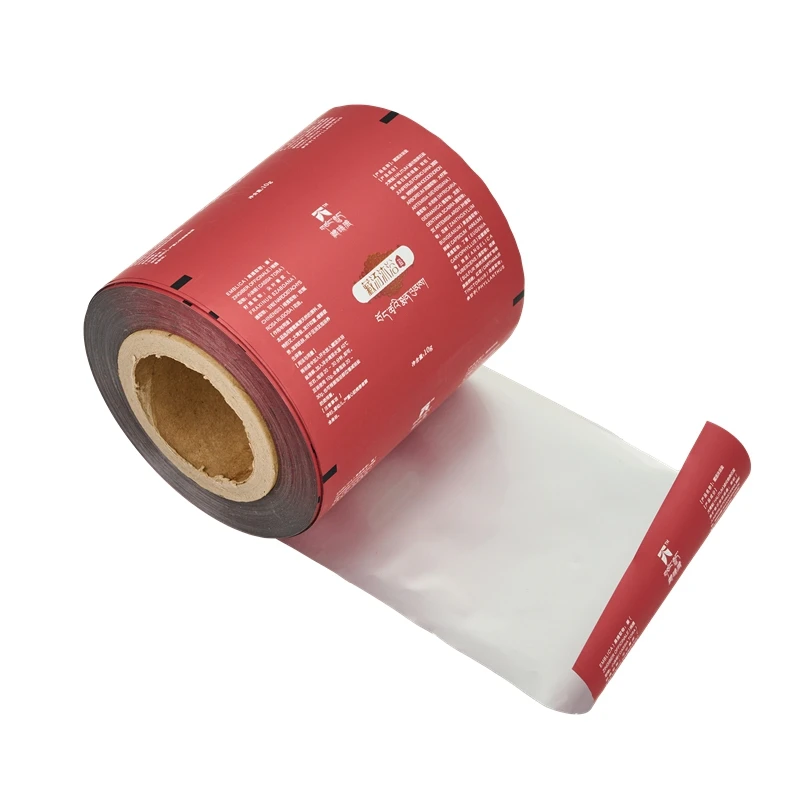

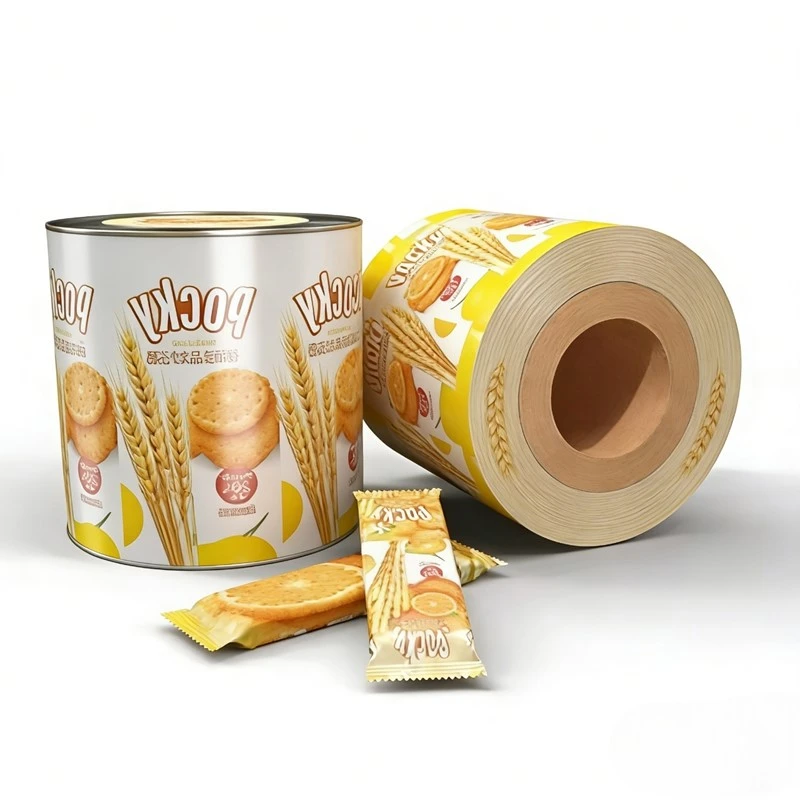
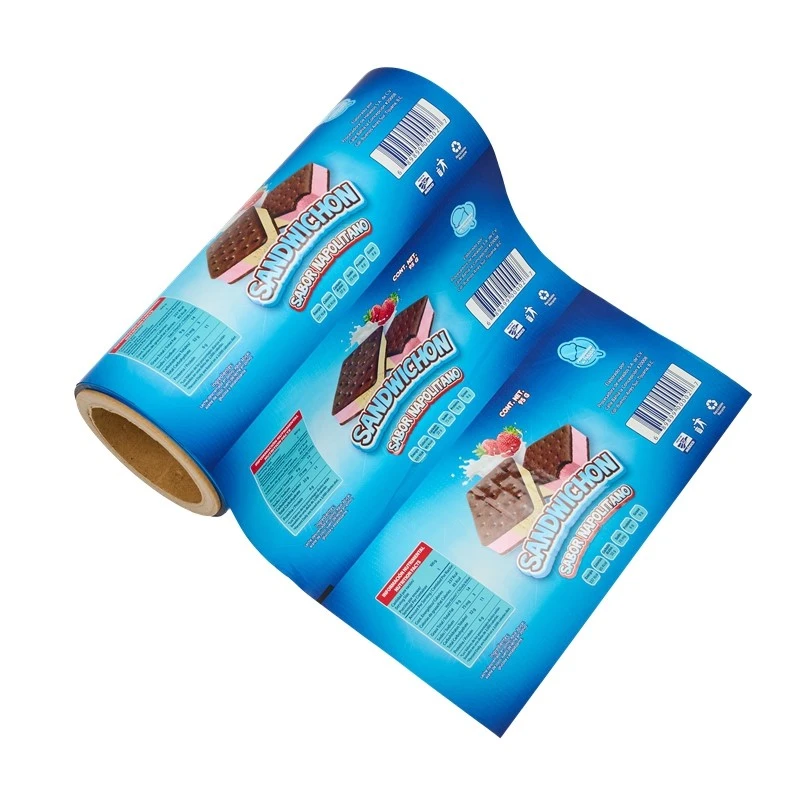
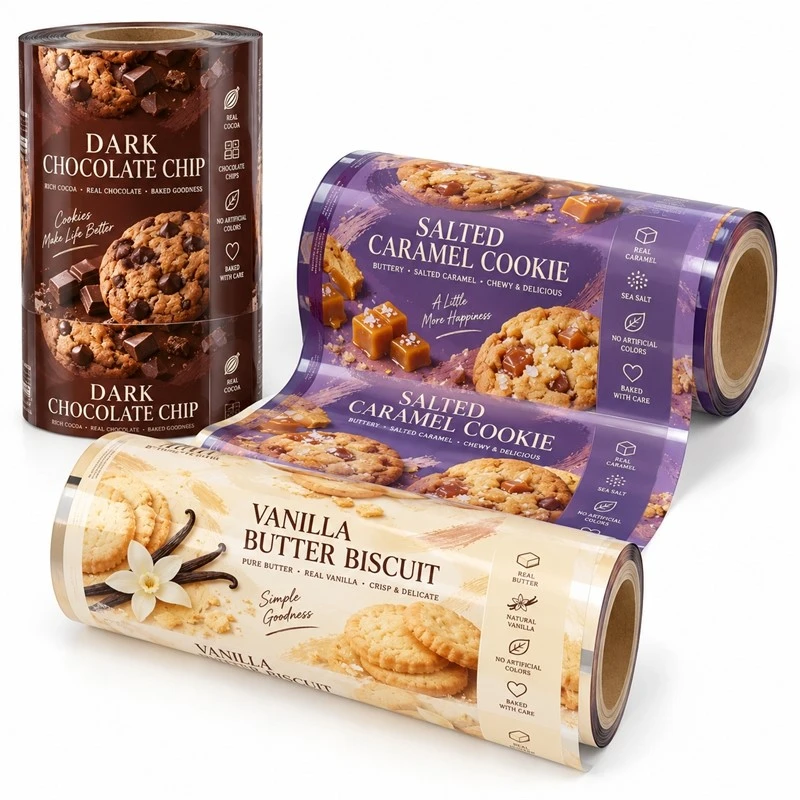

Can friction or registration marks cause VFFS problems?
Yes. Coefficient of friction, or COF, describes how readily one surface slides against another under specified test conditions. In production, the outside print surface and the inside sealant surface can behave differently. Ask which surface was tested, the method used, and how the result compares with the film already running successfully. If a new matte finish or material structure is proposed, include that exact finish in the trial.
A registration mark gives the sensor a repeating reference for positioning the print relative to the seal and cut. Review the artwork with the machine's sensor position, print repeat, and unwind direction in mind. A mark that looks obvious on a PDF may be harder for the sensor to distinguish from busy artwork or a reflective background. A fixed print offset suggests checking the setup and mark position first. A shift that builds across successive packs warrants checking the repeat and whether the sensor is reading every mark.
Why does the film seal at low speed but fail during production?
The film and machine must make a reliable seal within the time available at the intended production speed. As speed changes, effective sealing time can change. A film that closes well in a slow empty-bag trial may behave differently when filled product passes through the line. Fine powder in the seal area, a wrinkle across the jaw, or the timing of the filler can all contribute to failures. Viking Masek
Compare empty bags with filled packs at your intended speed. Record jaw temperature, dwell time or machine speed, pressure setting, and the types of failures observed. If empty packs pass but filled packs fail, check product timing and contamination in the seal area. If both fail, inspect the seal pattern and jaw contact, then compare the proposed film with the existing structure. Repeat the trial after the machine has stabilized so the approved sample represents a normal run.
What should a VFFS rollstock quotation include?
For a useful quote, share your machine make and model, film width, finished bag dimensions, fill weight, target line speed, and seal format. Include the core inside diameter, maximum roll outside diameter, unwind direction, print repeat, eye-mark location, and any coding area. Identify the product, such as coffee powder, mixed nuts, or seasoning, along with the required barrier and storage conditions. A short line video and samples of the existing roll and finished bag can answer questions that drawings alone leave open.
If the project involves switching from an existing laminate to mono-material rollstock, specify what the new film has to match on your line. Industry developments such as thin-barrier coextruded films give buyers more options to evaluate. The production decision still depends on how the proposed film tracks, seals, and protects the packed product under the agreed conditions.
HongBang Packaging manufactures custom printed rollstock film in China for VFFS and HFFS equipment. Whether you are specifying film for a new snack line or replacing a roll that causes recurring rejects, send us the machine model, bag dimensions, and current film specification. We can review the proposed structure and roll configuration for sampling.