

If you’ve ever grabbed a cold smoothie from the fridge, squeezed a pre-portioned sauce packet for your takeout meal, or grabbed a bottle of plant-based milk that’s easy to pour without a funnel, you’ve interacted with one of the most unsung innovations in flexible packaging: the stand up pouch with nozzle. As a supplier who’s worked with these pouches for over a decade, I’ve seen this product evolve from a niche solution for niche industries to a go-to packaging choice for brands across food, beverage, personal care, and even industrial sectors. But the story of how the stand up pouch with nozzle came to be isn’t just about packaging—it’s about solving real, everyday problems that traditional bottles, cans, and bags couldn’t crack. Let’s walk through its history, from the early days of flexible packaging to the modern, versatile pouch we know today.
The roots of stand up pouches themselves stretch back to the 1950s, when manufacturers started experimenting with flexible plastic packaging as a cheaper, lighter alternative to rigid glass and metal containers. Back then, the standard flexible bag was a flat pouch—folded on the bottom, standing only when held open, and impossible to store upright on a shelf. That changed in 1963, when a guy named Robert W. Beller filed a patent for a “stand up pouch” with a gusseted bottom, giving it the ability to hold its shape on retail shelves. Suddenly, brands had a way to package products that took up less space, cost less to ship, and stood out next to bulky rigid containers. These early stand up pouches were simple, though—just sealed, flexible bags with no extra features.
By the 1970s, flexible packaging had started to gain traction in the food industry, but brands and consumers alike were running into a problem: while stand up pouches were great for holding dry goods, sauces, and liquid products were a different story. If you tried to squeeze a thick tomato paste from a plain stand up pouch, you’d end up with sauce everywhere, or struggle to control the flow. Pouring from a flat top meant spillage, and there was no way to reseal the pouch once it was opened—leading to wasted product and messy refrigerators. This is where the nozzle comes in, and the first steps toward adding a spout to a stand up pouch began.
The first patent for a pouch with a nozzle (or “spout”) attached wasn’t actually for food—it was for a product that would later find huge use in personal care and industrial goods. In 1974, a Japanese inventor named Tetsuro Mizuno patented a “liquid discharge container” that combined a flexible pouch with a rigid plastic nozzle glued to the top. The idea was simple: attach a small, screw-on nozzle to the sealed top of a flexible pouch, so users could control the flow of liquid without spilling, and reseal the pouch by screwing the cap back on. But this early design had a flaw: the nozzle was glued on, which meant it often leaked, especially for larger volumes of liquid. It wouldn’t find widespread use for another decade.
By the 1980s, plastic manufacturing technology had advanced enough to make nozzles that could be heat-sealed to stand up pouches, creating a much stronger, leak-proof bond. This was a game-changer. The first commercial use of stand up pouches with nozzles came in the early 1980s for condiments and soups, but they were still small—mostly 8-ounce pouches for takeout or airline meals. Then, in the 1990s, two key trends pushed the nozzle pouch into the mainstream: the rise of single-serve beverage containers and the growing demand for sustainable packaging.
Around 1990, small, pre-portioned beverage pouches (think 8-ounce fruit drinks for kids) started popping up in grocery stores. These pouches had a small, flip-top nozzle that was easy for little hands to open, and they weighed 50% less than a similar-sized plastic bottle, which cut shipping costs and reduced material waste. But as the 1990s went on, the design evolved. Manufacturers started making larger nozzles for bigger volumes, and by the late 1990s, brands were using stand up pouches with nozzles for everything from 1-liter bottles of sports drinks to 2-pound bags of mayonnaise. This was also when brands realized the full potential of flexible packaging more broadly—today, these early flexible stand up designs are part of a huge category of packaging options, including coffee stand up pouches, flexible packaging bags, and stand up pouches with valves, each tailored to specific product needs.
The 2000s brought even more innovation to the stand up pouch with nozzle, as consumers started demanding packaging that was not only convenient but also safer and more functional. One of the biggest milestones was the development of child-resistant nozzles, a feature that became mandatory for many liquid products in the early 2000s. Before this, a kid could easily open a pouch nozzle and spill contents (like cleaning products or medicine), leading to safety concerns. In 2003, the first patent for a child-resistant stand up pouch was filed, creating a nozzle that required a two-step action—like pushing and twisting—to open. This solved a major pain point for parents and manufacturers alike, and today, many common household products (from liquid laundry detergent to child-safe lotion) use these specialized pouches.
Another big shift in the 2000s was the focus on sustainability. Rigid plastic bottles were falling out of favor with eco-conscious consumers, who realized that flexible packaging like stand up pouches with nozzles used up to 70% less plastic than a comparable plastic bottle. For example, a 1-liter stand up pouch with a nozzle uses about 15 grams of plastic, while a 1-liter plastic bottle uses around 50 grams. That’s a huge difference in material waste, and it’s one of the reasons brands switched in droves. By the mid-2000s, soda brands, juice companies, and even pet food manufacturers were testing these pouches, and by 2010, nozzle pouches held a 10% share of the flexible packaging market in North America alone.
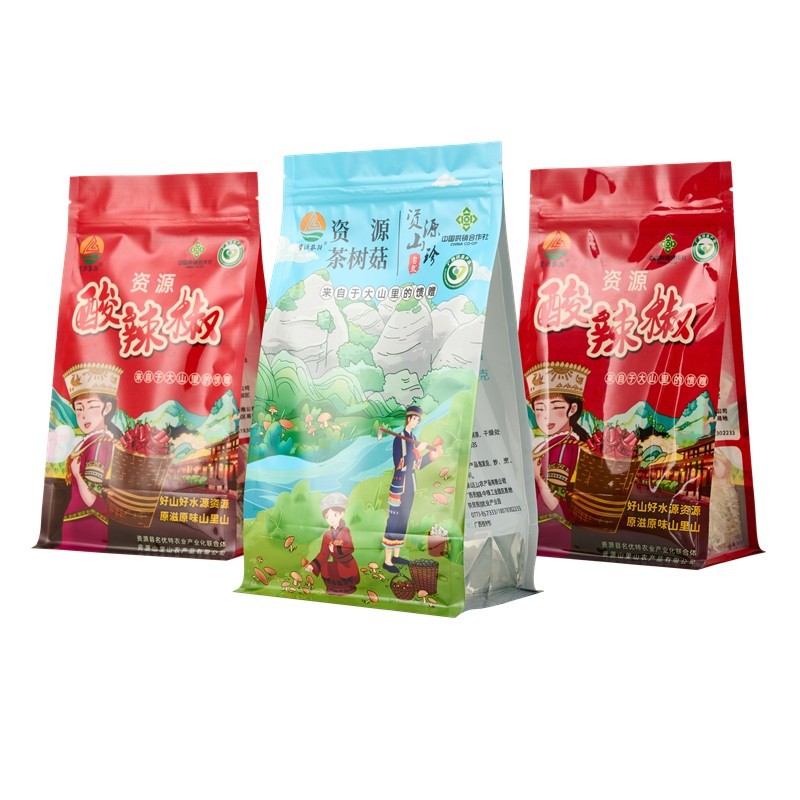
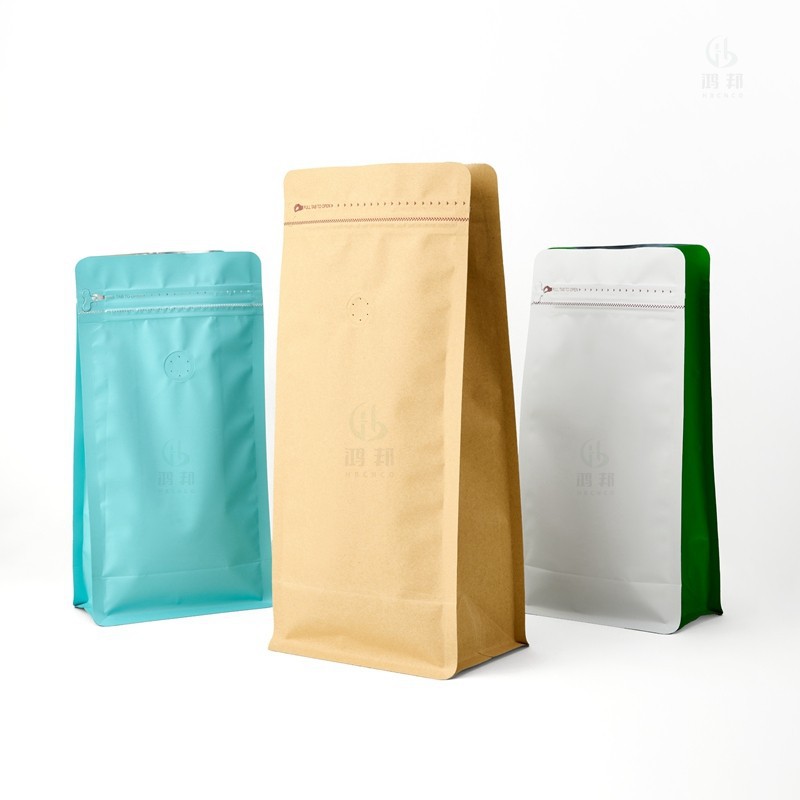
The last decade (2010–2020) has seen the stand up pouch with nozzle become a versatile workhorse for every imaginable product. Today, you can find them in every aisle of the grocery store: sports drinks, smoothies, protein shakes, condiments, baby food, even liquid cleaning products. The nozzles themselves have gotten more specialized too—some are designed for thick, viscous products like ketchup (with a wider opening to prevent clogs), others for fine liquids like salad dressing (with a narrow nozzle for precise pouring), and even nozzles that are compatible with carbonated beverages, thanks to advanced sealing technology. This is also when niche use cases exploded: for example, coffee brands started using stand up pouches with valves (a separate but related packaging innovation) for whole beans, while liquid coffee brands used nozzle pouches for cold brew.
As a supplier, I’ve seen firsthand how these pouches have evolved to meet brand needs. Early on, most of our orders were from small startups looking for single-serve beverage pouches. Now, we work with Fortune 500 companies that order custom stand up pouches with nozzles in bulk, tailored to their exact product requirements—whether that’s a resealable nozzle for refills, a heat-sealed spout for non-spill safety, or a child-resistant design for sensitive products. The technology has gotten so advanced that we can now add custom printing, tear notches, and even oxygen barriers to keep products fresh longer, all while keeping the packaging lightweight and cost-effective.
Looking back at the history of the stand up pouch with nozzle, it’s clear that this innovation isn’t just about a new piece of plastic—it’s about solving problems that no other packaging could. Early stand up pouches were great for dry goods, but liquid products needed a way to be poured, stored, and resealed without mess. Nozzles fixed that, and over 50 years, they’ve evolved from a small Japanese patent to a staple of modern packaging. What started as a niche solution has become a better alternative to rigid bottles, offering lower cost, less waste, and more convenience for consumers.
Today, if you’re a brand looking for packaging that checks all the boxes—convenient, safe, sustainable, and functional—the stand up pouch with nozzle is a top choice. Whether you’re packaging a new line of plant-based milk, a specialty sauce, or a liquid product that needs to stand out on shelves, custom flexible packaging options like these make it possible to meet both consumer demands and business goals.
If you’re interested in learning more about how stand up pouches with nozzles can work for your brand, or exploring other flexible packaging solutions like flexible packaging bags, coffee stand up pouches, child resistant stand up pouches, stand up pouch with nozzle, or stand up pouch with valve, feel free to reach out for a consultation. We’d be happy to discuss your specific product needs and help you find the right packaging solution.
References
- Beller, R. W. (1963). Stand Up Pouch with Gusseted Bottom. U.S. Patent No. 3,082,058.
- Mizuno, T. (1974). Liquid Discharge Container. U.S. Patent No. 3,810,605.
- Flexible Packaging Association. (2022). Global Flexible Packaging Market Report.
- European Food Safety Authority. (2019). Safety Assessment of Plastic Nozzles for Food Contact Materials.
- Sustainable Packaging Coalition. (2021). Life Cycle Analysis of Stand Up Pouches vs. Rigid Bottles.