


Why Roll Stock Packaging Is Gaining Momentum
The packaging industry is undergoing three major transformations:
Sustainability pressure: retailers and consumers increasingly favor recyclable, downgauged, and mono-material packaging structures.
Automation demand: manufacturers are investing in high-speed vertical and horizontal form-fill-seal (VFFS/HFFS) lines to reduce labor costs.
Brand differentiation: digitally connected consumers expect attractive graphics, premium finishes, and convenient package formats.
Key takeaway
Custom printed roll stock combines these advantages by enabling efficient automated packaging, lower transportation costs compared with pre-made pouches, and extensive design flexibility. For many brands, it is becoming the preferred format for both mainstream products and premium product launches.
Understanding Roll Stock Packaging Materials
The choice of film structure directly affects barrier performance, shelf life, machinability, and sustainability. Common materials include PET, PE, CPP, nylon (PA), aluminum foil, and emerging recyclable mono-material films.
Common Roll Stock Material Structures
|
Structure |
Typical Application |
Key Benefit |
|---|---|---|
|
PET/PE |
Snacks, dry foods |
Good printability and sealability |
|
PET/AL/PE |
Coffee, powders, pharmaceuticals |
Excellent oxygen and moisture barrier |
|
PA/PE |
Vacuum packaging, meat products |
Puncture resistance |
|
MDO-PE/PE |
Recyclable flexible packaging |
Mono-material recycling compatibility |
|
PET/CPP |
Retort packaging |
Heat resistance and durability |
Summary: Selecting the right material structure should balance barrier requirements, machine compatibility, sustainability goals, and total packaging cost rather than focusing on film price alone.
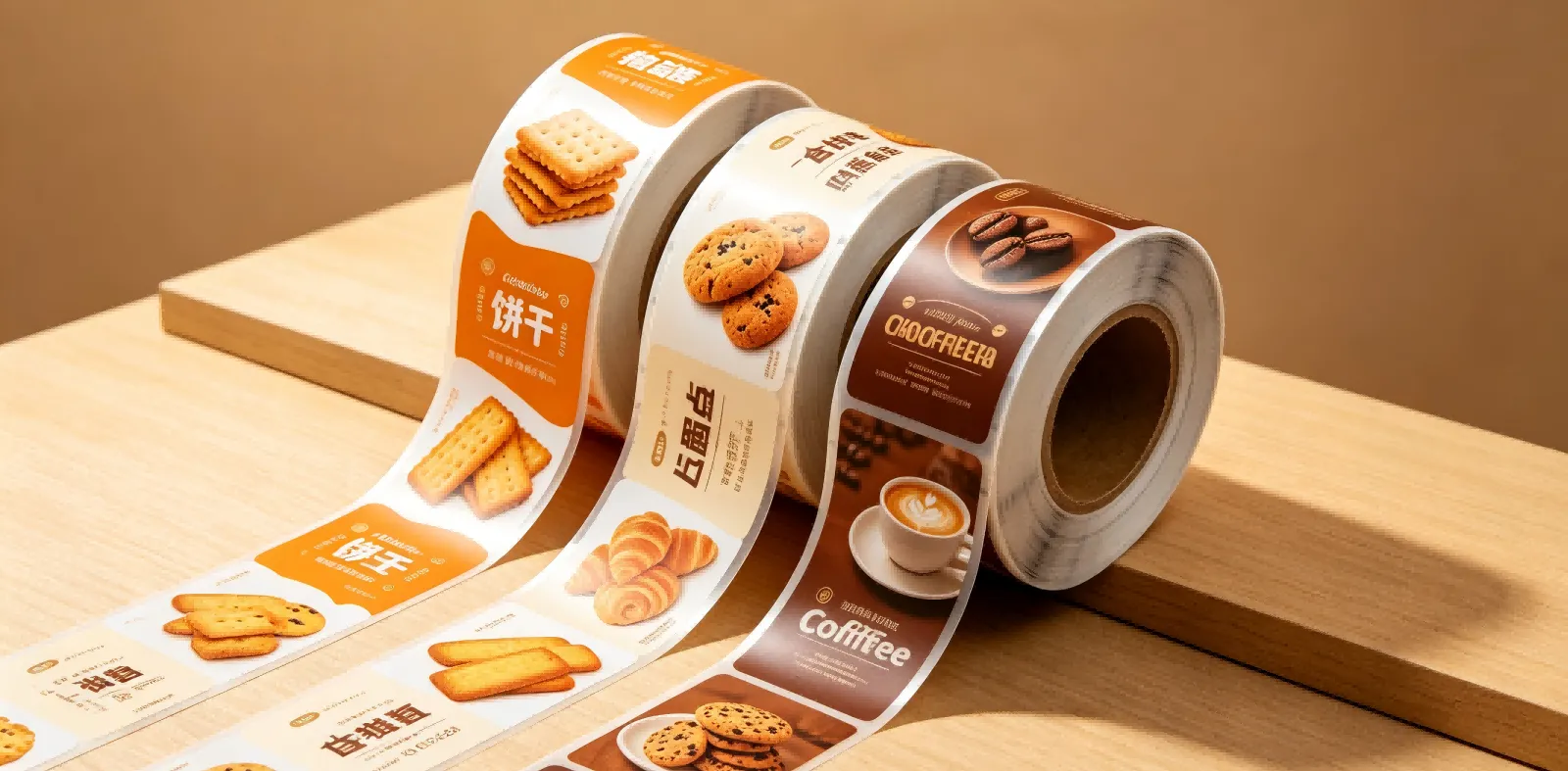
MOQ: What Buyers Should Expect
One of the most common questions from brand owners is: "What is the minimum order quantity?"
MOQ depends on several factors:
⭐Film width
⭐Number of colors
⭐Printing method
⭐Material structure
⭐Special finishes such as matte varnish, spot UV, or metallic effects
⭐General market ranges
|
Production Type |
Typical MOQ |
|---|---|
|
Digital printing |
50–300 kg |
|
Gravure printing |
500–2,000 kg |
|
Large-scale OEM production |
2,000 kg+ |
For startups or seasonal product launches, digital printing can significantly reduce MOQ and shorten lead times. For established brands with higher volumes, gravure printing usually provides the best unit economics and print quality.
Summary: The ideal MOQ is not simply the lowest possible quantity; it is the quantity that balances tooling cost, inventory turnover, and production efficiency.
Pricing: What Drives the Cost?
Roll stock pricing is influenced by multiple variables beyond raw material cost.
Major Cost Factors
|
Factor |
Impact on Price |
|---|---|
|
Material type |
Aluminum foil and high-barrier films are more expensive than standard PE structures. |
|
Film thickness |
Thicker films generally increase cost but may improve protection. |
|
Printing colors |
More colors increase cylinder or setup costs. |
|
Surface finish |
Matte, soft-touch, metallic, and holographic effects add processing steps. |
|
Order volume |
Larger orders usually reduce the per-unit cost. |
|
Shipping destination |
Freight costs vary significantly by region and delivery mode. |
In today's market, resin price volatility and logistics costs remain important pricing drivers. Buyers should request a detailed quotation that separates material, printing, tooling, and freight components for easier comparison across suppliers.
Summary: The most competitive quotation is not always the lowest headline price; transparency in cost breakdowns often leads to better long-term supplier relationships.
How to Select the Right Roll Stock Supplier
Choosing a supplier is a strategic decision that affects quality consistency, lead time reliability, and brand reputation.
Evaluation checklist
Manufacturing capability: Does the supplier own its printing, laminating, and slitting equipment?
Quality systems: Look for certifications such as ISO 9001, BRCGS, or food-contact compliance documentation.
Export experience: International packaging regulations vary by market.
Technical support: Can the supplier assist with material selection, machine compatibility, and artwork preparation?
Innovation capability: Does the supplier offer recyclable structures, high-barrier solutions, and premium finishes?
A supplier that provides engineering support during product development can help reduce packaging failures, improve production efficiency, and accelerate time to market.
Summary: The best supplier is a long-term technical partner, not just a low-cost manufacturer.
Emerging Market Trends and Future Opportunities
Several product categories are expected to drive strong demand for custom printed roll stock over the next few years.
⭐Plant-Based & Functional Foods
High-barrier recyclable films help preserve freshness while supporting sustainability claims.
⭐Specialty Coffee & Beverage Powders
Premium printing and aroma-protection structures remain in high demand.
⭐Concentrated Household Products
Refill packs for detergents and personal care products reduce plastic use and shipping weight.
Preparing Artwork for Roll Stock Printing
Many packaging delays occur because artwork files are not optimized for production.
Working closely with the supplier's prepress team can help avoid costly cylinder remakes and production delays.
Summary: Good artwork preparation reduces risk, shortens lead time, and improves final print quality.
⭐Basic artwork checklist
⭐Use vector files whenever possible.
⭐Convert fonts to outlines.
⭐Set images to at least 300 DPI.
⭐Include bleed and safety margins.
⭐Provide color references (Pantone or CMYK).
⭐Indicate barcode placement and orientation.
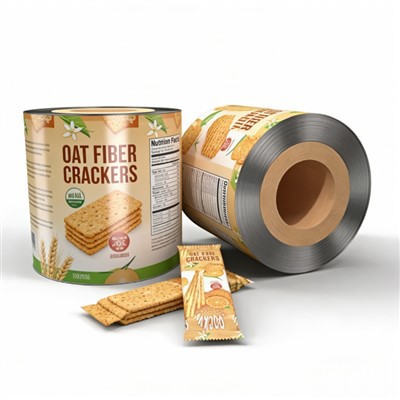
Why Many Brands Source Roll Stock from China
China remains a major hub for flexible packaging manufacturing due to its mature supply chain, large production capacity, and competitive pricing. Modern Chinese manufacturers increasingly focus on automation, food-safety compliance, and sustainable packaging innovation.
For international buyers, the key is to partner with a manufacturer that combines:
⭐Advanced printing technology
⭐Reliable quality control
⭐Export documentation support
⭐Responsive communication
⭐Custom development capability
Summary: China offers significant sourcing advantages when buyers choose suppliers with strong technical capabilities and international compliance experience.
Final Thoughts
Custom printed roll stock packaging is evolving from a simple packaging material into a strategic branding and sustainability tool. As markets move toward recyclable flexible packaging, automated production, and premium consumer experiences, brands that invest in the right material structure, supplier partnership, and print quality will be better positioned for long-term growth.
Whether you are launching a new product line, upgrading existing packaging, or seeking a more sustainable solution, understanding materials, MOQ, pricing drivers, and supplier capabilities is essential. The most successful packaging projects combine technical performance, cost efficiency, and strong brand presentation-delivering value not only on the production line, but also on the retail shelf.