

When people first think about packaging for their products-whether it's smoothies, pet food, laundry detergent, or even maple syrup-most default to rigid bottles, jars, or boxes. But if you've ever used a Stand Up Spout Pouch, you already know how much more versatile these bags are. As a supplier who's talked to dozens of small-batch brands and big-box retailers about their packaging needs, the flexibility of these pouches is what keeps me coming back to them, and what makes them a game-changer for almost every product category. Let's break down what that flexibility actually means, beyond just "bending easy."
First, I want to clear up a common misconception: flexibility here isn't just about how squishy a pouch is when it's empty. It's a mix of three things: how the pouch adapts to the shape and volume of your product, how easy it is to fill, seal, and transport, and how it works for both the end user's daily routine and your brand's ability to stand out on shelves. This isn't a one-size-fits-all either. Over the years, we've expanded our line to include pouches tailored to different product needs, like the Stand Up Pouch 1kg line, which is perfect for dry goods like flour or coffee, and the Mono PE Spout Pouch, designed to be easier to recycle than multi-material options. That adaptability is core to the pouch's real-world usefulness.
Let's start with product-specific flexibility. A lot of brands don't realize how much a pouch's shape can shift to match what's inside, rather than making the product fit a rigid container. For example, if you're selling cold-pressed juice, your volume might vary a little batch to batch-one week a vendor's harvest is juicier, so you end up with 950ml instead of the planned 1L. A rigid bottle can't account for that; it either leaks extra juice during filling or feels half-empty and flimsy on shelves. A Stand Up Spout Pouch? It just takes on the volume of the product, no wasted space, no adjustment to your fill line needed. That same logic works for powders too. The Stand Up Pouch 1kg we offer for protein powder or specialty rice isn't a fixed shape-when it's empty, it lies flat to cut down on storage, but when filled, it swells just enough to look full, not lopsided, on retail shelves. No more paying for extra space in shipping for half-used rigid bottles, either. A 1kg pouch takes up about 30% less space than a 1L rigid bottle, which adds up big time when you're moving hundreds of units cross-country.
Then there's form factor flexibility, which is where a lot of brands find their niche. I've worked with a dog treat brand that switched from glass jars to our Aluminium Foil Stand Up Pouch last year. Before, their 12oz jars were heavy, broken easily during delivery, and hard for customers to scoop treats out of without spilling. Now, their pouch is lightweight, resealable, and stands up on a shelf next to other dog food bags. But the really clever part? They don't have to stick to a single shape for all their products. They launched a 4oz mini spout pouch for training treats, same line of materials, same spout design, just smaller. Because the pouch structure is modular, we can tweak the height, width, and spout size to match any product line-no retooling an entire mold like you would for a rigid jar. That flexibility is why so many brands roll out multiple SKUs of pouches without a huge upfront cost. It's also great for seasonal products: a pumpkin spice syrup spout pouch in fall, a lemonade one in spring, all using the same base structure, just different sizes and print designs.
Wait, let's talk about functional flexibility too-because a pouch is only as good as how it works for the end user. That's where spout design and closure options come in. A lot of people think all spouts are the same, but we've worked with clients to adjust spout sizes for different products. A small spout for honey so you don't pour too much, a wider one for laundry detergent that doesn't clog with thick suds, a kid-friendly flip-top spout for apple sauce that little hands can open. The Barrier Stand Up Pouches we supply are another big part here-they block oxygen and light, so they work for both shelf-stable and refrigerated products, from nuts to salad dressings. You don't have to choose between a pouch that's light and one that keeps your product fresh, which is a huge win for brands that want flexible packaging without sacrificing product quality.
Recyclability is another piece of flexibility that's been a big conversation lately. A few years back, mono-material pouches were pretty unheard of-most spout pouches were multi-layered, which made them hard to recycle. Now, we offer the Mono PE Spout Pouch line, which is made from a single type of plastic, so it can be recycled in standard curbside bins (check local rules, of course). That's flexibility not just for the brand, but for consumers too. A lot of brands love that they can market their packaging as eco-friendly, without having to switch their entire production setup overnight. They can test the mono PE line for a new product, and keep using multi-layered pouches for others, which is way less risky than a full packaging overhaul.
I should also mention how flexible these pouches are for shipping and storage, especially for small brands. If you're a startup working out of a garage, storage space is at a premium. Empty stand up spout pouches lay flat, so you can store 10,000 of them in a box that's about the size of a laundry basket. Rigid bottles? They take up way more space, even empty, because they can't be nested. That means lower storage costs, less waste when you're ordering, and easier shipping to your facility. For brands that sell direct-to-consumer, the lightweight nature of pouches also cuts down on shipping costs for customers-no more $8 shipping for a $12 product because the bottle was heavy. I had a coffee brand client tell me switching to our Stand Up Pouch 1kg cut their per-unit shipping cost by 20%, which they passed on to customers and saw a 15% jump in online orders. That's the kind of flexibility that directly impacts your bottom line.
But let's not forget shelf presence, which is a big part of brand flexibility. For years, brands were stuck with only a few rigid packaging options that all look the same on a shelf. Pouches can be fully custom, with Digital Printed Packaging Bags that let you print high-quality, full-color designs without the minimum order quantity that comes with traditional flexographic printing. That's perfect for small brands that don't want to order 10,000 bags just to get their logo right. We've worked with a craft soda brand that uses digital printing to change their label every month to feature a local artist, which has helped them stand out at farmers markets and small grocery stores. They couldn't do that with a rigid bottle-changing the label design would require a new mold, which is thousands of dollars. With pouches, it's just a quick change to the digital file, no extra cost. That level of flexibility lets brands be creative without breaking the bank.

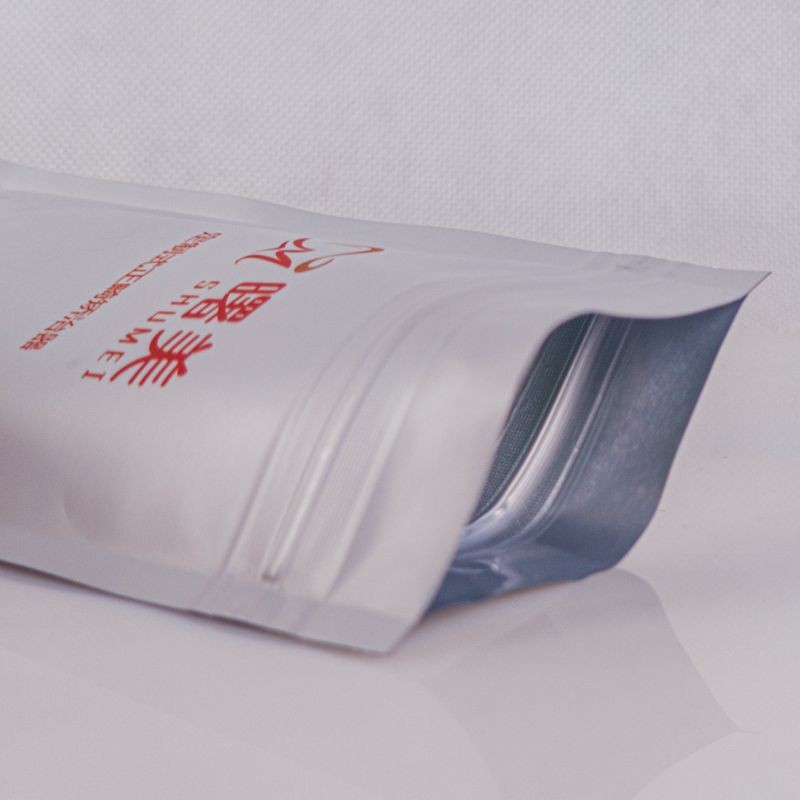
Now, I know there are people who still have questions: can a pouch really hold up to harsh conditions? What if my product is super hot, or acidic, or gets frozen? The short answer is yes, as long as you choose the right material. Our Aluminium Foil Stand Up Pouch can handle freezing and heating up to 180°F, which is great for frozen soup or microwaveable rice. The Barrier Stand Up Pouches we supply can hold acidic products like citrus juice without leaching, so you don't have to worry about the packaging affecting your product's taste. That's part of the flexibility too-matching the pouch's material to your product's needs, instead of making your product fit the packaging.
I've been in this game long enough to see trends come and go, and the one constant is that brands want packaging that works for them, not against them. The flexibility of Stand Up Spout Pouches isn't just a nice feature-it's a solution to so many of the headaches brands deal with: high storage costs, rigid packaging limits, recyclability concerns, and the need to stand out on shelves. Whether you're a small startup just testing a product or a big brand looking to expand your line, there's a pouch that fits your needs-from a 4oz mini spout for baby food to a 1kg pouch for bulk grains, from mono-material eco-friendly to aluminium foil for maximum protection.
If you're thinking about switching up your packaging, or just want to learn more about how our pouches can work for your products, I'd love to chat. Every brand's needs are different, and that's the part I love most about this work-figuring out the right flexible solution for you, not just selling you a one-size-fits-all pouch.
References
- Flexible Packaging Association. (2022). "The Benefits of Stand-Up Pouches for Retail and Shipping."
- Mono-Material Packaging Council. (2023). "Recyclability Rates of Mono-PE Spout Pouches in North America."
- Smith, L. (2021). "Custom Packaging and Brand Differentiation: Digital Printing for Consumer Goods."
- Packaging Technology and Science. (2020). "Barrier Properties of Stand-Up Pouches for Food and Beverage Products."