

Hey there! I'm a supplier of packaging roll film, and I often get asked this burning question: "Is packaging roll film environmentally friendly?" Well, let's dive right into it and break it down.
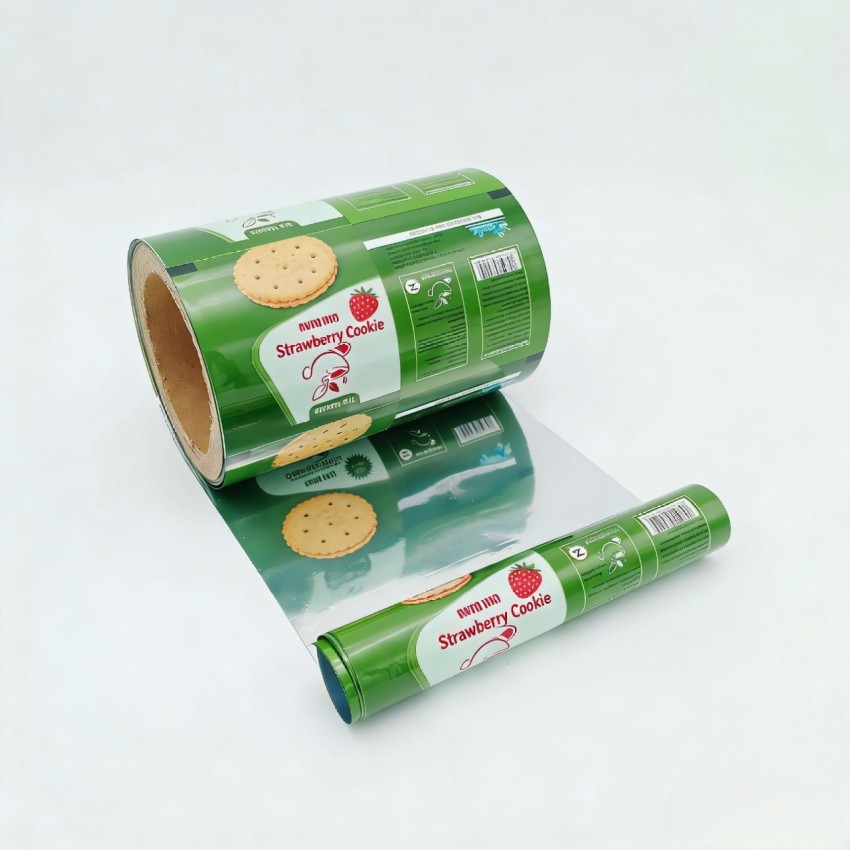
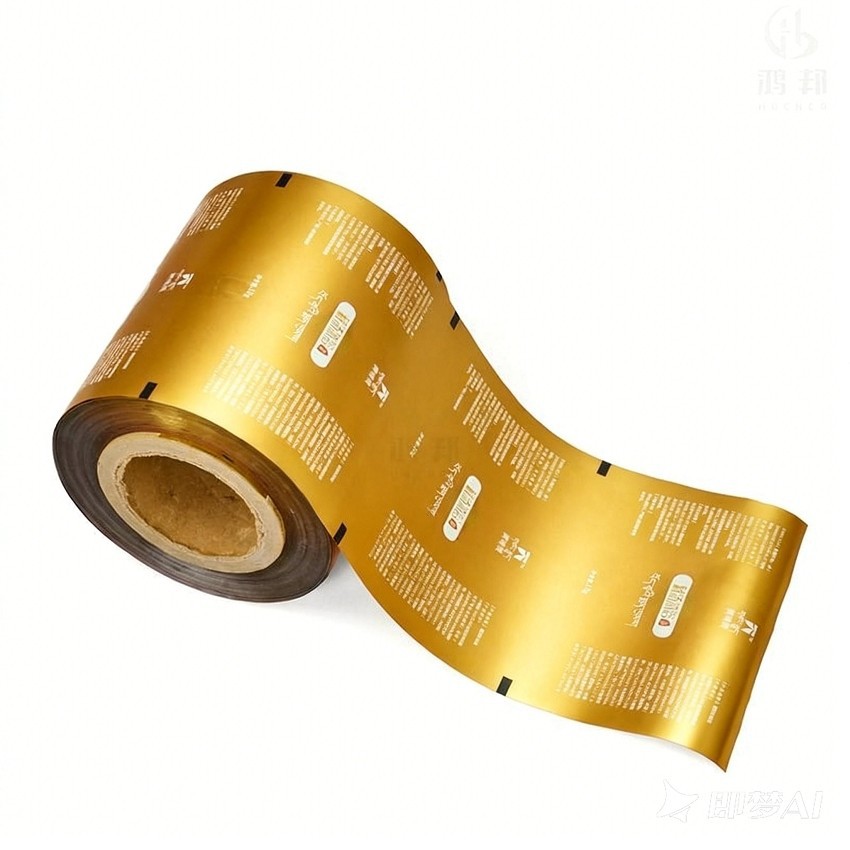
First off, let's talk about what packaging roll film is. It's a flexible material used for all sorts of packaging needs. You can find it in food packaging, industrial products, and even in some household items. There are different types, like Plastic Packaging Roll Film, Roll Film Packaging, and Printed Roll Film.
The Not - So - Green Side
Plastic is the most common material for packaging roll film. And plastic has a bit of a bad rep when it comes to the environment. It takes a super long time to break down. Some plastics can take hundreds of years to decompose in landfills. That means a whole lot of plastic waste is piling up, and it's not going away anytime soon.
Another issue is pollution. When plastic packaging roll film is not disposed of properly, it can end up in our oceans, rivers, and other natural habitats. Marine animals often mistake plastic for food, and when they ingest it, it can lead to serious health problems and even death. It also messes up the ecosystem as a whole.
The production of plastic packaging roll film isn't exactly eco - friendly either. It requires a significant amount of energy and resources. Oil is a major raw material for plastic, and extracting and refining oil have their own environmental impacts, like air pollution and greenhouse gas emissions.
The Greener Side
But hey, it's not all doom and gloom. There have been some really cool developments in the world of packaging roll film. Biodegradable and compostable roll films are becoming more and more popular. These are made from natural materials like cornstarch, sugarcane, or other plant - based sources.
Biodegradable roll films break down much faster than traditional plastic. They can decompose within a few months to a couple of years, depending on the conditions. Compostable roll films are even better. They can be added to a compost pile and turn into nutrient - rich soil, which is great for gardening and agriculture.
Recycling is another option. Many types of packaging roll film can be recycled. When we recycle roll film, we reduce the need for new raw materials and cut down on energy consumption. Some companies are also implementing closed - loop recycling systems, where the recycled roll film is used to make new roll film products.
Our Role as a Supplier
As a packaging roll film supplier, we have a responsibility to promote more sustainable options. We're constantly looking for ways to improve our products. For example, we're working on increasing the availability of biodegradable and compostable roll films. We're also educating our customers about the importance of proper disposal and recycling.
We understand that cost can be a concern for some of our customers. Biodegradable and compostable roll films can sometimes be more expensive than traditional plastic ones. But we believe that in the long run, the environmental benefits outweigh the initial cost. And as the demand for these eco - friendly options grows, the prices are likely to come down.
Making an Informed Choice
So, when it comes to deciding whether packaging roll film is environmentally friendly, it really depends on the type of film you choose. If you go for traditional plastic, there are definitely some environmental challenges. But if you opt for biodegradable, compostable, or recycled roll films, you're making a much greener choice.
As a consumer or a business looking for packaging solutions, you have the power to make a difference. You can ask your suppliers about the environmental impact of their products. Look for certifications like the Biodegradable Products Institute (BPI) certification for compostable products.
The Future of Packaging Roll Film
The future looks promising. There's a growing trend towards sustainability in the packaging industry. More and more companies are investing in research and development to create even more eco - friendly packaging roll films. We're likely to see new materials and technologies that are not only better for the environment but also more cost - effective.
For instance, some scientists are working on developing roll films that are made from algae. Algae is a renewable resource that can grow quickly and doesn't require a lot of land or water. These types of innovations could revolutionize the packaging roll film industry.
Conclusion
In conclusion, packaging roll film can be environmentally friendly, but it depends on how we approach it. As a supplier, we're committed to offering more sustainable options and helping our customers make informed choices. Whether you're a small business or a large corporation, you can play a part in reducing the environmental impact of packaging.
If you're interested in learning more about our packaging roll film products or have questions about their environmental friendliness, don't hesitate to reach out. We're here to help you find the best packaging solution for your needs while also being kind to the planet. Let's work together to make a greener future!
References
- EPA. (2023). Municipal Solid Waste in the United States: 2021 Facts and Figures.
- European Bioplastics. (2023). Bioplastics Market Data.
- Packaging Digest. (2023). Trends in Sustainable Packaging.