

Are flat bottom bags resistant to wear and tear?
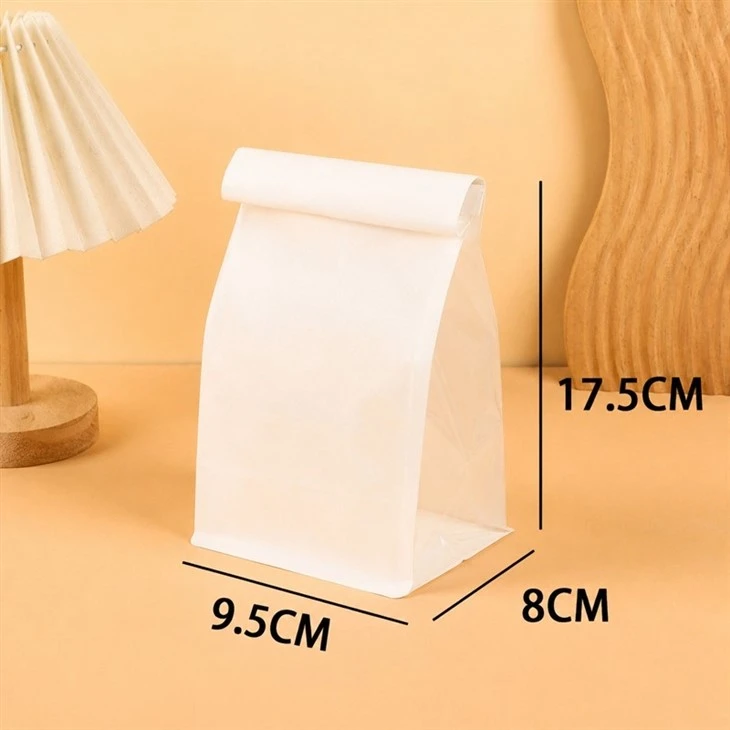
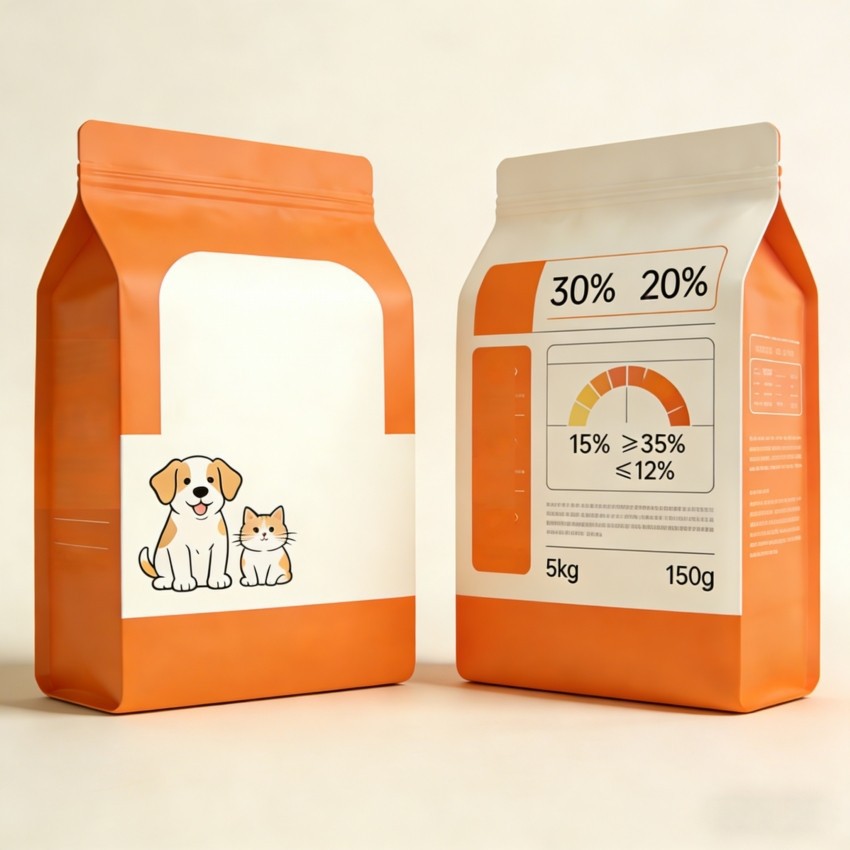
As a supplier of flat bottom bags, I've had the privilege of witnessing firsthand the diverse applications and performance of these versatile packaging solutions. One of the most common questions I encounter from potential customers is whether flat bottom bags are resistant to wear and tear. In this blog post, I'll delve into the factors that contribute to the durability of flat bottom bags and explore how they stand up to the rigors of various environments and handling conditions.
Understanding the Construction of Flat Bottom Bags
Flat bottom bags are designed with a unique structure that provides stability and increased capacity. They typically feature a flat base, which allows them to stand upright on shelves or display units, making them ideal for retail packaging. The construction of flat bottom bags can vary depending on the materials used and the intended application.
Materials
The choice of materials plays a crucial role in determining the wear and tear resistance of flat bottom bags. Some of the most common materials used in the production of flat bottom bags include:
- Plastic: Plastic flat bottom bags are lightweight, flexible, and cost-effective. They are available in a variety of thicknesses and can be customized with different features such as zippers, spouts, and tear notches. However, plastic bags may be more prone to punctures and tears compared to other materials.
- Paper: Paper flat bottom bags are eco-friendly and biodegradable. They are often used for packaging food products, clothing, and other consumer goods. Paper bags can be reinforced with additional layers or coatings to improve their strength and durability.
- Aluminum: Aluminum Flat Bottom Pouch offer excellent barrier properties, protecting the contents from moisture, oxygen, and light. They are commonly used for packaging coffee, tea, snacks, and other perishable items. Aluminum bags are highly resistant to punctures and tears, making them a reliable choice for long-term storage.
- Laminates: Laminated Flat Bottom Bag combine the benefits of different materials to create a high-performance packaging solution. They typically consist of multiple layers of plastic, paper, or aluminum, laminated together using adhesives. Laminated bags offer superior strength, durability, and barrier properties, making them suitable for a wide range of applications.
Sealing and Finishing
The sealing and finishing processes also contribute to the wear and tear resistance of flat bottom bags. Proper sealing ensures that the contents are protected from external elements and prevents leakage. Common sealing methods include heat sealing, ultrasonic sealing, and adhesive sealing.
In addition to sealing, the finishing touches such as printing, laminating, and coating can enhance the appearance and durability of flat bottom bags. Printing can be used to add branding, product information, and instructions, while laminating and coating can provide additional protection against moisture, abrasion, and UV rays.
Factors Affecting Wear and Tear Resistance
Several factors can affect the wear and tear resistance of flat bottom bags, including:
Handling and Transportation
During handling and transportation, flat bottom bags are subjected to various stresses and forces, such as squeezing, dropping, and rubbing. The design and construction of the bags can influence their ability to withstand these stresses. For example, bags with reinforced corners and edges are less likely to tear or puncture compared to bags with weak seams.
Storage Conditions
The storage conditions can also impact the wear and tear resistance of flat bottom bags. Bags stored in humid or damp environments may be more prone to mold and mildew growth, which can weaken the materials and cause them to tear or break. On the other hand, bags stored in dry and cool environments are less likely to experience damage.
Product Type
The type of product being packaged can also affect the wear and tear resistance of flat bottom bags. Products with sharp edges or rough surfaces may cause punctures or tears in the bags, while products with high moisture content may require bags with better barrier properties to prevent leakage.
Advantages of Flat Bottom Bags in Terms of Wear and Tear Resistance
Despite the potential challenges, flat bottom bags offer several advantages in terms of wear and tear resistance:
Durability
Flat bottom bags are designed to be durable and long-lasting. The materials used in their construction, such as aluminum and laminates, provide excellent strength and resistance to punctures and tears. Additionally, the flat base of the bags distributes the weight evenly, reducing the stress on the seams and edges.
Flexibility
Flat bottom bags are flexible and can conform to the shape of the product being packaged. This flexibility allows the bags to withstand bending and folding without tearing or breaking. It also makes them suitable for packaging a wide range of products, including irregularly shaped items.
Reusability
Many flat bottom bags are designed to be reusable, which not only reduces waste but also provides additional value for the customer. Reusable Flat Bottom Bags can be used multiple times, making them a cost-effective and environmentally friendly packaging solution.
Applications of Flat Bottom Bags
Flat bottom bags are used in a wide range of industries and applications, including:
Food Packaging
Flat bottom bags are commonly used for packaging food products such as coffee, tea, snacks, and dry goods. The bags provide excellent barrier properties, protecting the contents from moisture, oxygen, and light, which helps to extend the shelf life of the products. Coffee Packaging Flat Bottom are a popular choice for coffee roasters, as they offer a convenient and attractive way to package their products.
Retail Packaging
Flat bottom bags are also widely used in the retail industry for packaging clothing, accessories, and other consumer goods. The bags can be customized with different colors, designs, and printing options to enhance the brand image and attract customers. Quad Seal Pouch are a type of flat bottom bag that is commonly used for packaging small items such as jewelry, cosmetics, and electronics.
Industrial Packaging
Flat bottom bags are used in the industrial sector for packaging chemicals, fertilizers, and other bulk materials. The bags are designed to be strong and durable, withstanding the weight and pressure of the contents. They can also be customized with different features such as handles, spouts, and tear notches to make them easier to handle and dispense.
Conclusion
In conclusion, flat bottom bags are generally resistant to wear and tear, thanks to their durable construction and the use of high-quality materials. However, the wear and tear resistance of the bags can be affected by various factors such as handling, transportation, storage conditions, and product type. By choosing the right materials, design, and sealing methods, it is possible to ensure that flat bottom bags provide reliable protection for the contents and withstand the rigors of everyday use.
If you're interested in learning more about our flat bottom bags or have any questions about their wear and tear resistance, please don't hesitate to contact us. We'd be happy to discuss your specific requirements and provide you with a customized solution that meets your needs.
References
- Packaging Machinery Manufacturers Institute. (n.d.). Flat Bottom Bags. Retrieved from [URL]
- Smith, J. (2019). The Benefits of Flat Bottom Bags. Packaging World. Retrieved from [URL]
- Jones, A. (2020). How to Choose the Right Flat Bottom Bag for Your Product. Packaging Digest. Retrieved from [URL]